
Historic Watertown Town Hall with its columned entrance
Historical story

Which Town Hall?

The story of Watertown's four Town Halls, and the community life they held.

Four Buildings, One Community

Throughout its history, the Town of Watertown has used four different buildings as its Town Hall. These places were much more than government offices. They were gathering places where residents voted, attended town meetings, conducted public business, watched performances, celebrated milestones, and connected with their neighbors.

Each building reflects a different chapter in Watertown's history. Together, they tell the story of how our community has grown and changed over the centuries.

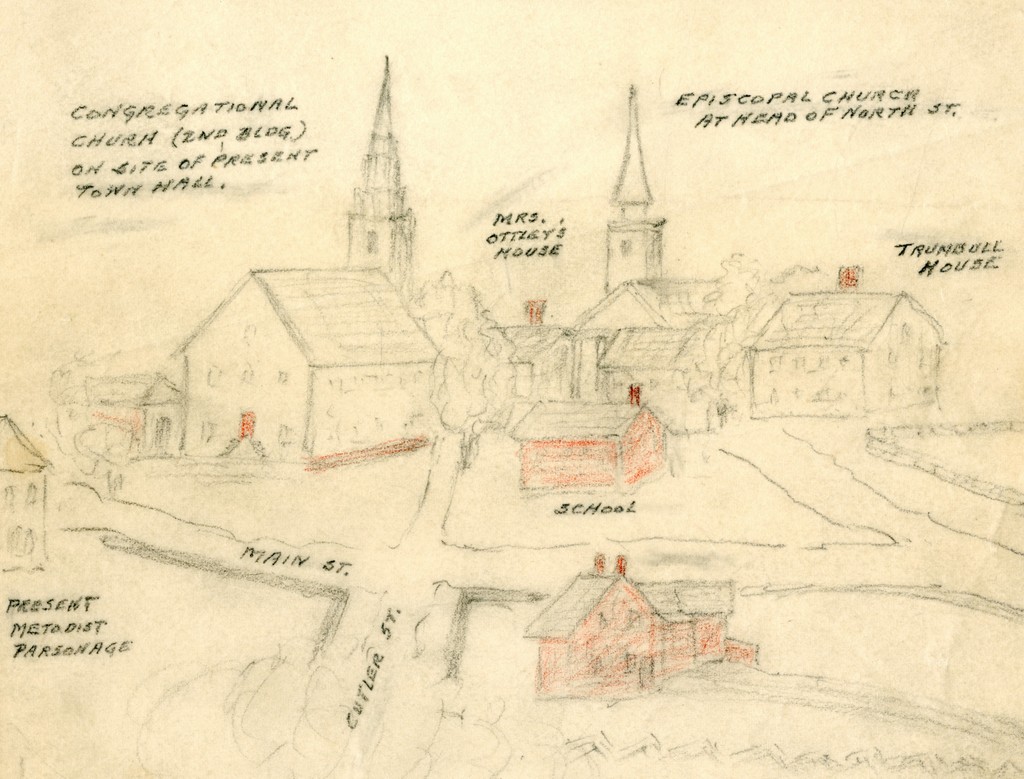
An archival drawing of the Congregational Church, which served as Watertown's first Town Hall
First Town Hall · 1780–1864

The Congregational Church Chapel

Before 1864, Watertown held its town meetings and other civic gatherings in the chapel of the Congregational Church. At the time, the church stood on the site later occupied by the Third Town Hall and the Post Office/Health Complex buildings along Route 6.

The chapel served as an important gathering place during Watertown's early years as an incorporated town. Here, residents assembled to discuss local issues and conduct the business of their growing community.

The drawing shown here was sketched from a viewpoint near the Masonic Hall. It also appeared as a woodcut in History of Watertown, published in 1868, and Watertown, Then and Now, published in 1976.
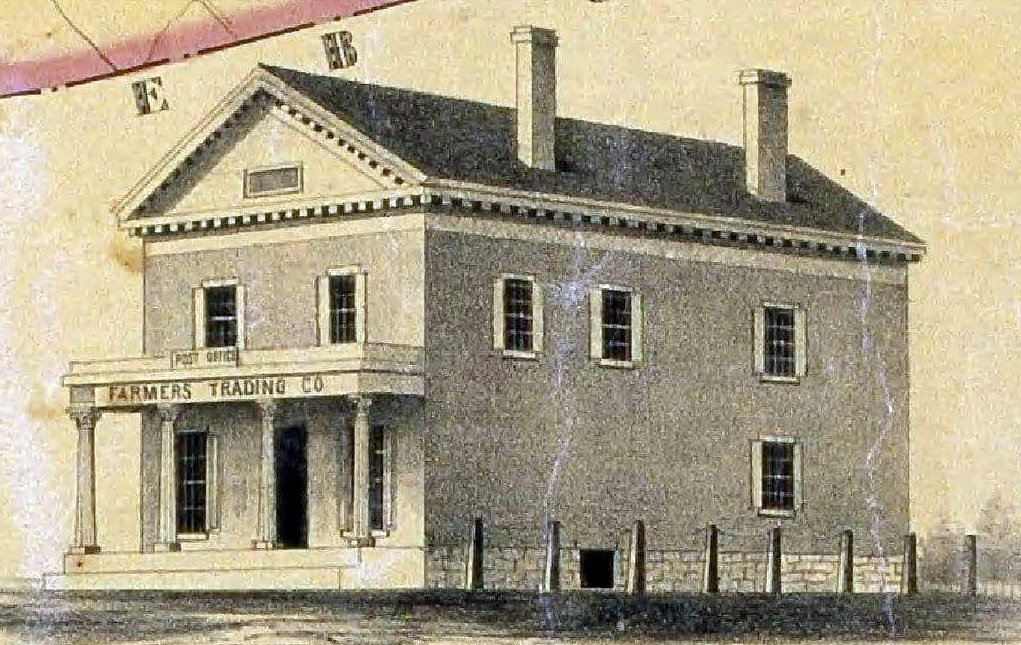
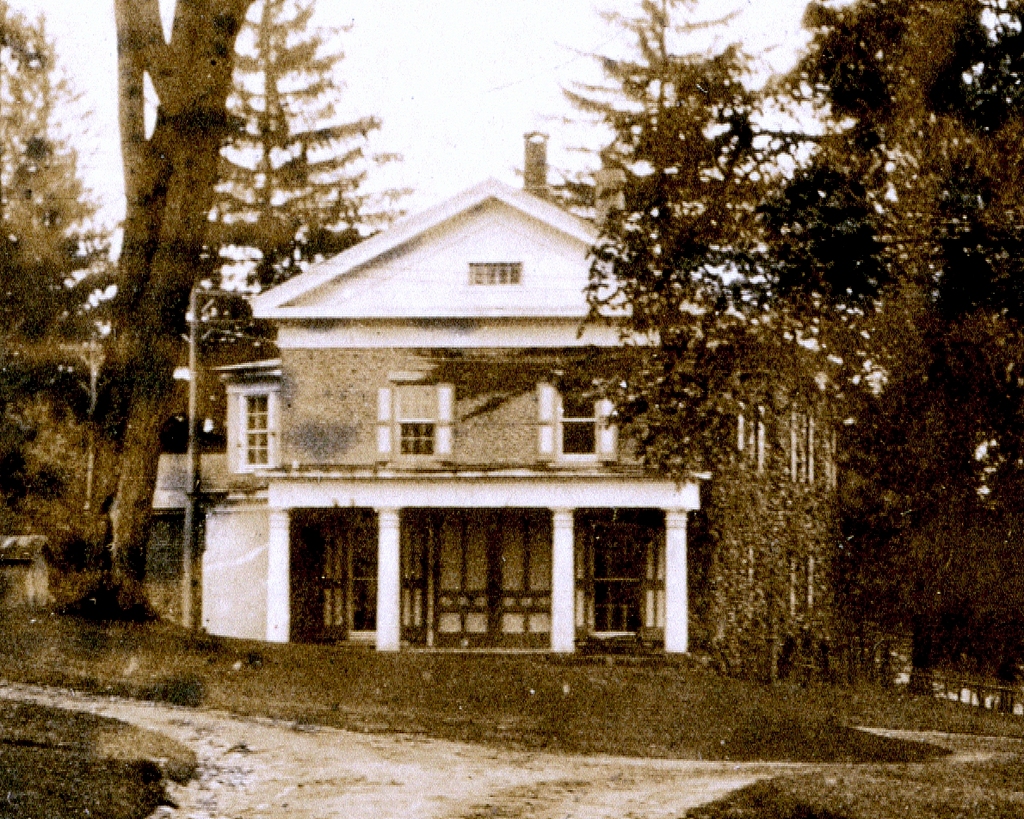
The Amos Gridley Store, also known as the Farmers Trading Co.
Second Town Hall · 1864–1894

The Amos Gridley Store

In 1864, a town committee purchased the brick building known as Amos Gridley's store, with plans to have it "fitted up" for use as a Town Hall. It served as a venue for town meetings until 1894. Built in 1846, this versatile building played many roles in Watertown's civic and community life.

A Building with Many Lives

  • 1850s: Farmers Trading Post
  • 1853: Watertown's first Post Office
  • 1864–1895: Town Hall
  • 1896–1951: Fire Department
  • 1953–present: Fire District

The building's second floor also served a variety of purposes:

  • 1855–1872: Watertown Masonic Hall
  • 1897 onward: Kindergarten
  • 1903–1913: Barber shop
  • 1968–2019: Watertown Historical Society Museum

During World War II, the building also housed the local air-raid alert headquarters. Few buildings in Watertown have served so many different purposes. Its changing uses reflect the evolving needs of the community across generations.

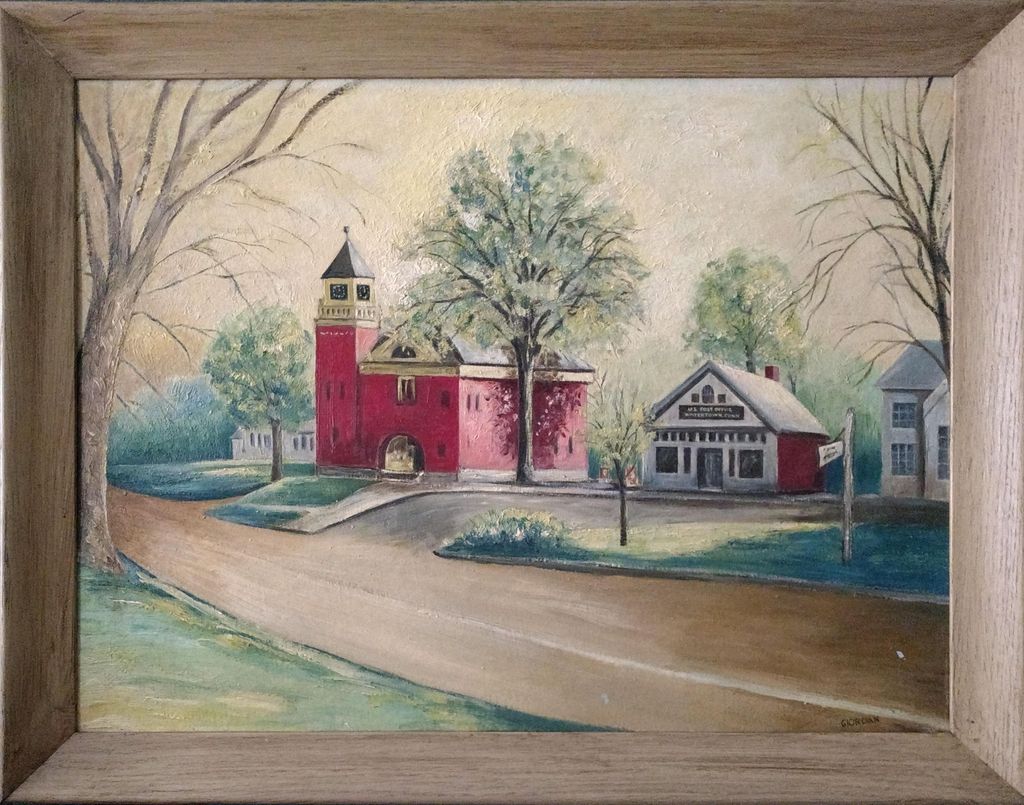
The Third Town Hall, painted by local artist Robert Giordan
Third Town Hall · 1894–2020

A Community Landmark

Built in 1894, Watertown's Third Town Hall became one of the most important gathering places in the community. For generations, it stood at the center of civic, cultural, and social life.

Hundreds of town meetings were held within its walls, addressing decisions that shaped everyday life in Watertown. The building also hosted court hearings and the issuance of marriage licenses. Residents gathered there to celebrate the end of World War I.

More Than a Place for Town Business

The auditorium on the second floor welcomed an extraordinary variety of events and performances, including:

  • Traveling theatrical acts
  • Early silent movies
  • Plays and concerts
  • Demonstrations and lectures
  • Taft School performances, including appearances involving President William Howard Taft's sons, Robert and Charlie
  • Watertown High School graduations, basketball games, and other school events

In 2020, town government moved to a new location, ending the Third Town Hall's long tenure as Watertown's civic center. Its future has been a subject of concern for local history enthusiasts, as the building remains an important part of the community's architectural and cultural heritage.

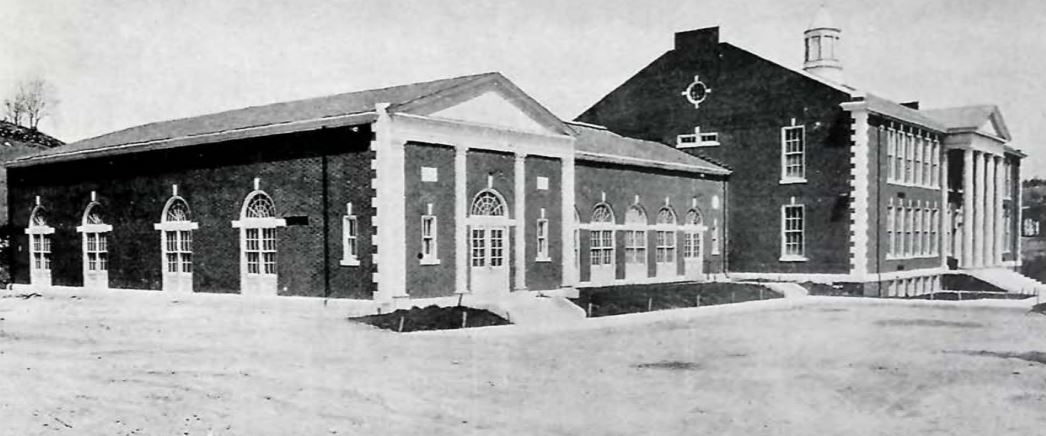
The former Watertown High School, pictured in the 1933 school yearbook
Fourth Town Hall · 2020–Present

The Former Watertown High School

Watertown's Fourth Town Hall occupies a building with its own rich history. The building was constructed in 1929 as Watertown High School. When a new high school opened on French Street in 1963, the original school building took on a new role as Heminway Park School, serving fifth- and sixth-grade students.

In 2020, the building was transformed once again when it became Watertown's Fourth Town Hall. Its evolution from high school to elementary school and finally to municipal offices illustrates how historic buildings can continue serving the community long after their original purpose has changed.

Artifacts

Elections: Preserving Watertown's Voting History

Two historic ballot boxes discovered in a closet at the old Town Hall provide a particularly interesting connection to Watertown's voting history.

The 1886 Ballot Box

The labels on this hinged ballot box indicate that it was used at the Second Town Hall. One surviving label reads: Justices of Peace, October 4, 1886, Watertown, F. B. Hand.

According to the 1880 U.S. Census, Fred B. Hand was a cattle dealer who lived in Watertown with his wife, Clara, and their daughter, Ella. The census did not record street addresses, but the family was listed near William Hotchkiss. Because the Hotchkiss home was located on Skilton Avenue, researchers believe the Hand family may also have lived in the Garnsey Town area of Watertown.

The 1920 Ballot Box: A New Era for Women Voters

The Nineteenth Amendment to the U.S. Constitution, prohibiting the denial of voting rights on the basis of sex, was officially certified on August 26, 1920. Watertown's records indicate that 252 women were sworn in as electors on September 18, 1920.

Less than two months after the amendment's certification, these newly registered women participated in Watertown's civic life. The first Watertown Town Meeting at which they cast their votes was held on October 4, 1920. Further research into the town records and the women who registered to vote will help tell this important story in greater detail.

Events at the Third Town Hall

The People Who Brought It to Life

The Watertown Dramatic Association, 1890s

This photograph is believed to have been taken in the second-floor auditorium of the Third Town Hall. It preserves the names of many participants, providing a valuable record of the community's theatrical and social life.

  • On the riser: 1. Harry West; 2. Fred or Harry Bronson; 3. Robert Magee; 4. George Judd
  • Standing: 5. Mr. Perkins; 6. Gertrude Welton; 7. Rachel (Wright) Sanderson; 8. Miss or Mrs. Douglass; 9. John Scott; 10. Dr. Gailey; 11. William Munson; 12. Mary Bronson
  • Seated: 13. Marie (Hard) Colcord; 14. William Beers; 15. Harry Heminway; 16. Mr. Gardiner; 17. Alice (Hard) Bassett
  • Seated in front: 18. Helen Atwood; 19. Helen Woodward; 20. Mary (Heminway) Klimpke; 21. Sadie Bryant

The Grecian Drill Team, May 2, 1903

Directed by Mrs. Wering and Mrs. Judson, the Grecian Drill Team performed at the Third Town Hall as part of a fundraising effort for Watertown's Soldiers Monument, which was dedicated on October 10, 1908.

  • Back row: 1. Eula (Cook) Beers; 2. Francis (Atwood) Skilton; 3. Leah Slocum; 4. Mabel (Hickcox) Yard; 5. Fanny (Anderson) Zeid; 6. [Georgia] Eva Prophet
  • Middle row: 7. Edith Byron; 8. Susan (Wellan) Copeland
  • Kneeling: 9. Dorothy Wheeler; 10. Grace Cook; 11. Helen Atwood; 12. Elizabeth (Atwood) Hickox
  • Seated in front: 13. Edna (Evans) Hosking; 14. Ethel Doolittle; 15. Ina (Atwood) Bassett; 16. Olive (Woodward) Johnson

Women's maiden names are shown in parentheses.

Each building has its own story, and each photograph, document, and artifact offers another piece of the past. Stay tuned for more stories, photographs, and discoveries from our archives.